

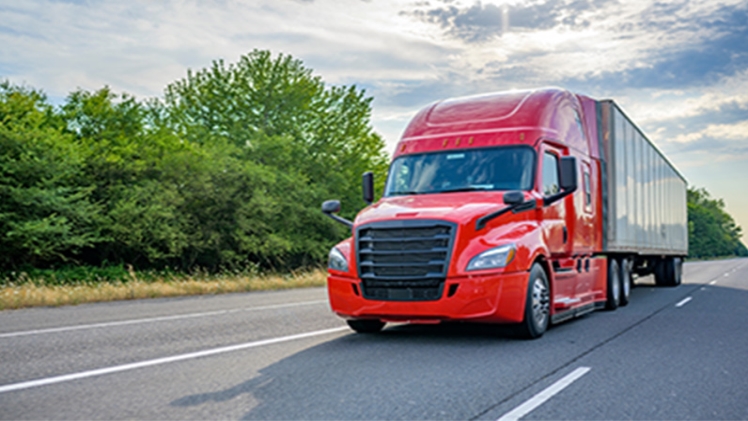
Truck drivers are essential to the economy, responsible for the timely delivery of goods across vast distances. Despite their critical role, the occupation of a truck driver is fraught with risks. Due to the heavy machinery involved and the long hours on the road, truckers are particularly vulnerable to accidents and injuries in their line of work. When a truck driver sustains injuries on the job, navigating the complex process of trucking personal injury claims is a significant challenge that requires detailed knowledge of the law and the transportation industry.
The process for a trucker to pursue a personal injury claim can be multifaceted, involving various legal considerations such as liability, negligence, and worker compensation laws. Truck drivers involved in an accident may face a convoluted path of reporting the incident, seeking medical attention, and filing claims for compensation for their injuries and lost wages. Whether the injury occurred due to vehicle malfunction, hazardous road conditions, or the negligence of another party, truck drivers must be aware of their rights and the correct procedures to follow to ensure they receive the compensation they deserve.
Understanding the unique aspects of trucking regulations and insurance policies is also vital for truck drivers when dealing with duluth personal injury attorney. These regulations are designed to protect truckers and ensure safety on the roads, but they also establish the framework within which injury claims must be handled. For truck drivers, possessing a clear comprehension of how these laws apply to their situation is crucial to a successful injury claim and to safeguarding their health and financial well-being after an accident.
Understanding Truck Accident Injury Claims
In the event of a truck accident, it is crucial to understand the intricacies of personal injury claims, including the establishment of fault, adherence to laws, the importance of evidence, and the types of compensation available.
Determining Fault and Liability
Determining fault in truck accidents involves dissecting the actions of all parties, including truck drivers, trucking companies, manufacturers, and possibly other entities. The liability may rest with the employer if the driver is not an independent contractor. Under the Federal Motor Carrier Safety Administration (FMCSA) guidelines, if a driver violates hours of service rules or other regulations, liability may extend to the employer. Insurance companies often get involved to assess the extent of fault and may dispute claims based on the degree of negligence.
Navigating Laws and Regulations
Personal injury claims in the context of trucking accidents are governed by both state law and federal regulations. Truck drivers and trucking companies must comply with a series of regulations, including maintenance standards and operational practices. When these regulations are not followed, the legal framework provides a basis to establish negligence in a personal injury claim.
The Role of Evidence in Personal Injury Claims
Evidence plays a pivotal role in substantiating a personal injury claim following a truck accident. This includes black boxes, which record vehicle data, logbooks detailing driver hours, and witness statements. Collecting and presenting this evidence is crucial to establish the facts of the case and help determine liability, negligence, and the extent of damages.
- Types of evidence include:
- Data from black boxes.
- Logbook entries.
- Testimony from witnesses.
- Photos and videos of the accident scene.
- Medical bills and records.
Common Injuries and Compensation
Truck accidents can result in a range of injuries, from musculoskeletal disorders to fatal and severe injuries such as spinal cord damage. Victims may seek compensation for medical bills, lost wages, and other related damages. Compensation often correlates with the severity of the injury and the impact on the victim’s quality of life.
- Types of compensation can include:
- Medical expenses: Immediate and ongoing.
- Lost wages: Current and future income loss.
- Pain and suffering: Non-economic damages.
- Rehabilitation costs: Physical therapy and other treatments.
- Property damage: Repair or replacement of damaged property.
Legal Process and Representation
Navigating the legal terrain of trucker personal injury claims entails understanding the litigation process and the value of specialized legal representation. This section elucidates critical components for truckers seeking justice and compensation following an on-the-road incident.
The Importance of Hiring an Experienced Attorney
Selecting an experienced attorney is paramount for truck drivers involved in accidents due to factors such as driver fatigue, distracted driving, or equipment failure. An attorney with a robust track record in commercial truck accidents:
- Offers a free consultation to evaluate the case.
- Understands the intricate laws governing commercial trucks and the transportation industry.
Understanding the Lawsuit Process
The lawsuit process unfolds through several stages, from the initial file a claim to reaching a verdict. Key steps include:
- Filing the compensation claim within prescribed deadlines.
- Accumulating evidence to establish negligence, such as proof of speeding or drug use.
Worker’s Rights and Compensation Claims
Truckers, as employees, possess certain rights under workers’ compensation statutes. When filing a workers’ compensation claim:
- An injured employee can claim benefits for medical expenses without the need to prove employer’s fault.
- Compensation can cover costs from medical treatment or income loss due to work-related stress or injury.
Insurance settlement negotiations are a critical phase wherein an attorney aims to secure fair compensation without proceeding to trial. However, should the case go to court, the lawyer advocates on behalf of the trucker, possibly culminating in a jury verdict. Employers must ensure safety in operations; failure to do so, leading to detrimental events such as being rear-ended or killed, has severe consequences. Filing thorough claims accounts for potential medical treatment, loss of business profit, and other expenses.
Expert legal guidance from a personal injury lawyer or truck accident attorney is crucial for navigating these processes, as they can directly impact the outcome for the trucker involved.
