

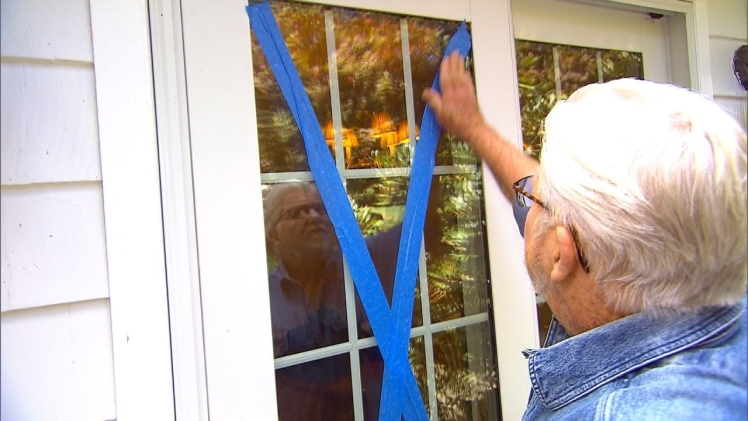
Hurricane windows help protect your home from a wide variety of dangers. These include flying debris, high atmospheric pressure, and even the possibility of a burglar breaking into your house through an unprotected window.
They are designed to withstand severe atmospheric pressure and are tested for impact resistance. They can also reduce outside noise, UV rays and increase energy efficiency.
Debris
Hurricanes & tropical storms produce high winds that loosen branches, patio furniture, and other debris. These items can fly through a window, which causes damage and puts people in danger.
A common way to protect windows during a hurricane is with plywood. However, this method doesn’t provide a long-term solution. It also limits natural light in the home and may create a dark feeling inside. Additionally, you’ll need to be available before the storm hits to put up the boards and remove them once the hurricane has passed.
Another popular approach is to use clear plastic film. While this option can be cost-effective, it doesn’t offer the same protection as shutters or impact-resistant windows. The film can keep glass shards from becoming dangerous missiles but can’t prevent wind from blowing in the entire window frame. It’s also not as effective as a tightly sealed hurricane window.
High Atmospheric Pressure
When hurricanes hit, the air pressure surrounding your home can quickly build up to dangerous levels. You’re advised to keep your windows closed during a storm. If a window breaks, this sudden increase in pressure can cause your house to collapse or sustain severe damage.
Traditional windows are constructed with a single pane of glass that can easily crack or shatter from the extreme differences in atmospheric pressure as a storm approaches. Impact-resistant windows use dual panes of tempered glass held together with a clear resin for nearly impenetrable strength.
While security film can help prevent the glass from breaking into sharp shards, it does nothing to stop the wind from blowing in the frame and door. As such, most insurance companies don’t offer this protection discount. Instead, consider installing resin-coated storm panels that clip onto your existing frames. These are more durable than plywood and can be used over your windows for years.
Shatter Resistant Film
It’s important to know what hurricane window protection options are truly effective. People use plywood to protect their windows during hurricane season, but this isn’t an adequate barrier against high winds and debris.
Using plywood also leaves the window vulnerable to sharp projectiles and isn’t sturdy enough to deter a bullet. Suppose an invader is targeting your business or home. In that case, you need a more powerful security solution to stop them and give your family, employees, and customers a few extra seconds to get to safety.
The best way to protect your glass windows is with a shatter-resistant film like 3M(tm) for safety and security. The film firmly holds shattered glass in place and significantly reduces the scale of the shards. This reduces your risk of injury and helps prevent further damage to property by minimizing the amount of glass that enters your home or business. This type of impact mitigation improvement is a smart investment and may qualify you for an insurance discount.
Impact Testing
During severe storms, broken windows are the number one cause of damage to homes. This is because when a window is broken, it creates a point of wind entry. This wind enters the house and causes tremendous damage. This is why having a quality hurricane shutter system or impact windows is important to protect your home from this damage.
Standard float glass breaks into large shards, which can be dangerous to anyone inside the house during a storm. The specialized laminate in hurricane windows holds the glass together if it breaks and prevents any outside debris from entering your home.
To be considered impact rated, a window must pass an impact test. This test simulates debris blown at the window during a hurricane by firing a 2×4 at different locations on the frame. It must also pass pressure tests to see how well it can withstand rapid rises and falls in air pressure.
