

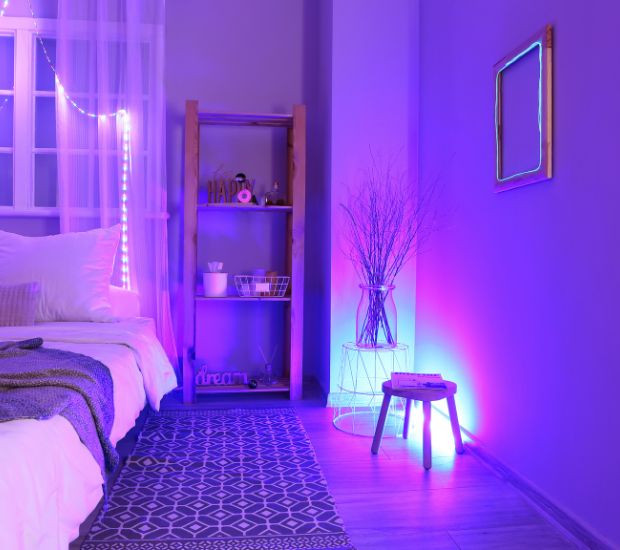
LED lights have revolutionized home lighting, offering a range of benefits that include energy efficiency, longevity, and versatility. In particular, the bedroom, as a sanctuary of rest and relaxation, can greatly benefit from the right lighting choices. In this guide, we’ll delve into the use of led lights for bedroom, exploring the different types, benefits, and tips on how to choose and install these lights effectively.
Types of LED Lights for Bedroom
LED lighting for bedrooms can come Searching for homes for sale in Beaufort, SC in various forms, including ceiling lights, table lamps, wall sconces, and flexible LED light strips. Each type has its unique benefits and uses:
- LED Ceiling Lights: These lights serve as the primary light source in the room, providing general or ambient lighting. They can range from flush mounts to pendant lights or chandeliers, depending on your design preferences click for info.
- LED Table Lamps and Floor Lamps: These can serve both as task lighting for activities like reading, and as accent lighting to highlight specific areas of the room.
- LED Wall Sconces: These lights are great for accent lighting and can add a touch of elegance to your bedroom.
- LED Light Strips: Extremely versatile, these can be used for accent, mood, or even nighttime lighting. They can be placed under the bed, around headboards, or along baseboards to create a unique ambiance.
Benefits of LED Lights for Bedroom
Energy Efficiency
LED lights consume less energy than traditional incandescent or CFL lights, reducing electricity costs. This efficiency doesn’t compromise their brightness, making them an ideal choice for bedroom lighting.
Longevity
LED lights have a much longer lifespan compared to other lighting types. With an average lifespan of 25,000 to 50,000 hours, LED lights reduce the frequency of bulb replacement.
Versatility
The versatility of LED lights allows for a wide range of lighting effects and color temperatures. They can produce a warm, inviting glow for a cozy atmosphere, or a cool light for a more modern aesthetic.
Safety
LED lights emit less heat than traditional lighting, reducing the risk of burns or overheating. This safety feature is particularly important in a restful environment like the bedroom.
Dimmability
Many LED lights are dimmable, providing the ability to adjust light levels to suit different moods and activities. This feature is especially useful in the bedroom, where lighting needs can change throughout the day and night.
How to Choose LED Lights for Bedroom
When choosing LED lights for your bedroom, consider the following factors:
- Color Temperature: LEDs are available in a range of color temperatures, measured in Kelvin (K). For bedrooms, a warm white light (2700K – 3000K) is usually recommended for its relaxing properties.
- Brightness: The brightness of LED lights is measured in lumens. For ambient bedroom lighting, aim for a total of 1,500 to 4,000 lumens, depending on the room size.
- CRI (Color Rendering Index): This measures the accuracy of a light source in revealing the true colors of objects compared to natural light. A CRI of 80 or above is considered good for bedrooms.
- Dimmability: As mentioned earlier, a dimmable feature is desirable for bedrooms as it allows for adjusting light intensity based on time of day or activity.
How to Install LED Lights in Bedroom
LED lights generally come with manufacturer’s instructions for installation, which should be followed closely. For hardwired lights like ceiling fixtures or wall sconces, it may be necessary to hire a professional electrician.
