

In today’s fast-paced world, creating a sustainable and balanced lifestyle can be challenging. It’s easy to get caught up in the hustle and bustle of daily life and neglect our physical and mental well-being. However, it’s essential to create a lifestyle that is sustainable and balanced to ensure that we can maintain good health and well-being over the long term. In this article, we will explore some practical tips for creating a sustainable and balanced lifestyle.
Define What a Sustainable and Balanced Lifestyle Means to You
The first step in creating a sustainable and balanced lifestyle is to define what it means to you. Everyone has different needs and priorities, so it’s important to take the time to reflect on what is important to you. Ask yourself questions such as:
- What activities bring me joy and fulfillment?
- What are my priorities in life?
- What areas of my life do I want to improve?
- What do I need to do to feel physically and mentally healthy?
By answering these questions, you can gain a better understanding of what a sustainable and balanced lifestyle means to you.
Incorporate Physical Activity into Your Daily Routine
Physical activity is essential for maintaining good physical and mental health. Incorporating physical activity into your daily routine doesn’t have to mean spending hours at the gym. It can be as simple as taking a 20-minute walk during your lunch break or doing a yoga class before bed.
Find an activity that you enjoy and that fits into your schedule. If you struggle to find time for physical activity, try breaking it up into shorter sessions throughout the day. For example, you could do 10 minutes of stretching in the morning, take a 15-minute walk at lunchtime, and do 10 minutes of yoga before bed.
Focus on Whole Foods and Balanced Nutrition
Eating a balanced diet is essential for maintaining good health. A balanced diet should include a variety of whole foods, including fruits, vegetables, whole grains, lean proteins, and healthy fats. Avoid processed foods and limit your intake of sugar and unhealthy fats.
To ensure that you are getting the nutrients that your body needs, aim to eat a variety of colors and textures in your meals. Don’t be afraid to experiment with new foods and flavors to keep your meals interesting and enjoyable.
Practice Mindfulness and Stress Management
Stress can have a negative impact on both physical and mental health. Incorporating mindfulness and stress management techniques into your daily routine can help to reduce stress and promote relaxation. Try incorporating the following techniques into your daily routine:
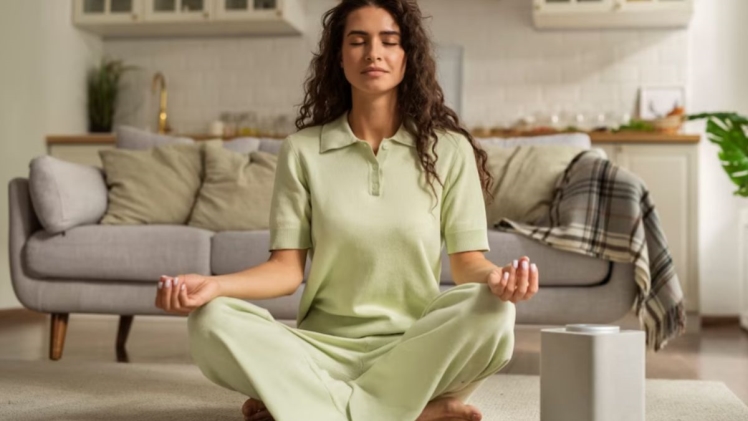
- Meditation: Spend 10-15 minutes each day practicing meditation. You can find guided meditations online or use an app to help you get started.
- Deep breathing: Take a few deep breaths throughout the day to help reduce stress and promote relaxation.
- Yoga: Practicing yoga can help to reduce stress and promote relaxation. There are many online classes and resources available to help you get started.
- Gratitude journaling: Write down three things that you are grateful for each day. This can help to shift your focus to the positive aspects of your life and promote a sense of well-being.
Create a Schedule and Stick to It
Creating a schedule can help you to stay organized and ensure that you are prioritizing the things that are important to you. Make a list of your daily tasks and prioritize them based on their importance. This can help you to focus on the things that matter most and avoid getting caught up in distractions.
Stick to your schedule as much as possible, but be flexible when needed. Life is unpredictable, and sometimes things don’t go as planned. If you need to make adjustments to your schedule, do so in a way that allows you to maintain balance and sustainability.
