

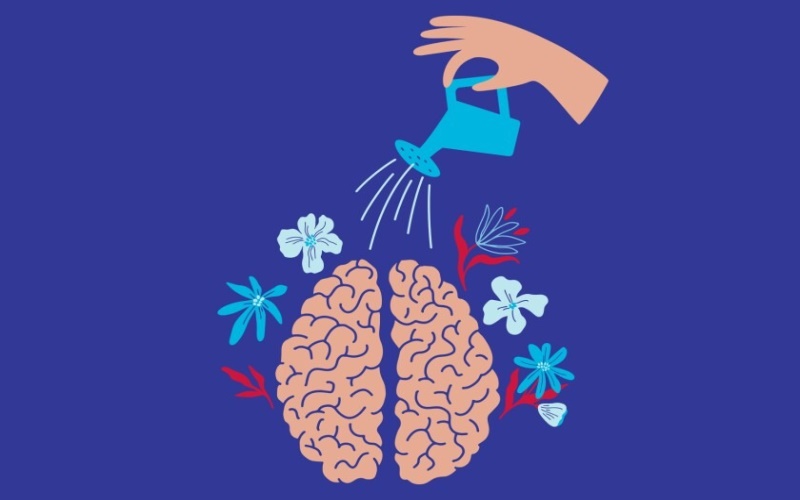
In the dynamic landscape of modern healthcare, understanding the variety of health issues that individuals face and the myriad ways they cope is crucial for providing effective support and care. This article delves into various health challenges, ranging from physical to mental health conditions, and explores the diverse coping mechanisms employed by individuals. It also touches upon the role of the vagus nerve in health and coping strategies.
Physical Health Challenges
Individuals may face a range of physical health issues, from acute illnesses like infections to chronic conditions such as diabetes, heart disease, and arthritis. Chronic conditions often require ongoing management and can significantly impact a person’s quality of life. Coping with these conditions typically involves a combination of medical treatment, lifestyle adjustments, and psychological support. Medication adherence, dietary changes, regular exercise, and physiotherapy are common strategies for managing physical health conditions.
Mental Health Struggles
Mental health issues, including anxiety, depression, and stress-related disorders, are increasingly prevalent. These conditions can arise due to a combination of genetic, environmental, and psychological factors. Coping with mental health issues often involves psychotherapy, medication, and support groups. Individuals also find relief through self-care practices like mindfulness, meditation, and regular exercise. The importance of a strong support network, including family, friends, and mental health professionals, cannot be overstated in managing mental health.
Dealing with Chronic Pain
Chronic pain is a debilitating condition that affects millions globally. It can stem from various causes, including injuries, surgeries, and chronic diseases. Coping with chronic pain often requires a multidisciplinary approach, involving pain management specialists, physiotherapy, medication, and sometimes surgical interventions. Alternative therapies like acupuncture, yoga, and chiropractic care also play a significant role in managing chronic pain for many individuals.
Navigating Neurological Disorders
Neurological disorders, such as Parkinson’s disease, multiple sclerosis, and epilepsy, present unique challenges. These conditions can lead to physical disabilities, cognitive impairments, and emotional distress. Coping mechanisms include medical treatments to manage symptoms, rehabilitation therapies to maintain physical functions, and cognitive therapy to address memory and thinking skills. Support groups and counseling can also provide emotional support for individuals and their families.
The Role of the Vagus Nerve in Health
The vagus nerve, a critical component of the body’s autonomic nervous system, influences various health aspects, including heart rate, digestion, and mood regulation. Dysfunctions of the vagus nerve can contribute to health issues like heart rhythm disorders, gastrointestinal problems, and depression. Techniques like vagus nerve stimulation (VNS) and practices that enhance vagal tone, such as deep breathing exercises and yoga, are employed to manage conditions associated with vagus nerve dysfunction.
Coping with Autoimmune Diseases
Autoimmune diseases, where the immune system mistakenly attacks the body’s tissues, include conditions like rheumatoid arthritis, lupus, and type 1 diabetes. Coping with these diseases involves managing symptoms through medication and lifestyle changes. Diet, exercise, and stress reduction are key components of managing autoimmune diseases, along with regular medical check-ups to monitor the condition’s progression.
Managing Respiratory Conditions
Respiratory conditions, such as asthma and chronic obstructive pulmonary disease (COPD), require ongoing management and can severely impact daily activities. Individuals coping with these conditions often use inhalers, participate in pulmonary rehabilitation, and make lifestyle changes like quitting smoking and avoiding allergens. Breathing exercises and the use of air purifiers can also help in managing symptoms.
Heart Disease and Lifestyle Management
Heart disease remains a leading cause of death globally. Managing heart disease involves medication, surgical interventions in severe cases, and significant lifestyle modifications. Dietary changes, regular exercise, and smoking cessation are crucial in coping with heart disease. Stress management techniques are also vital, as chronic stress can negatively impact heart health.
Cancer: Treatment and Beyond
Cancer, with its various forms and stages, presents complex challenges. Treatment often involves surgery, chemotherapy, and radiation therapy. Beyond medical treatment, coping with cancer includes psychological support, nutritional management, and physical rehabilitation. Support groups and counseling play a significant role in helping individuals and their families cope with the emotional burden of cancer.
Conclusion
Health issues encompass a wide spectrum of conditions, each requiring its unique approach to management and coping. From chronic physical conditions to mental health struggles, the paths to coping and management are as diverse as the conditions themselves. Understanding these health challenges and the various coping mechanisms is essential in providing comprehensive care and support. As medical science advances, new treatments and coping strategies continue to emerge, offering hope and improved quality of life for those facing health challenges.
